April 4, 2026
Before You Move to San Miguel de Allende, An Honest Look
An honest, unfiltered look at what daily life in San Miguel de Allende is actually like, the church bells, the cost of living, the airport situation, and whether the lifestyle is the right fit for you.
Almost everyone who has ever visited or moved to San Miguel de Allende has had the same thought at some point: "How did I not know this place existed?"
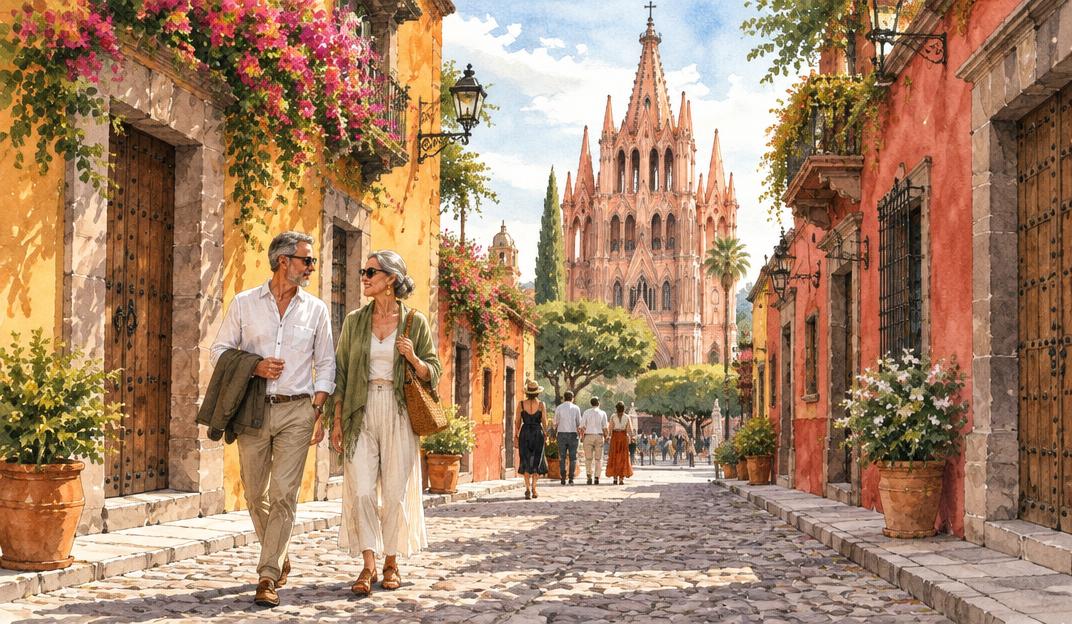
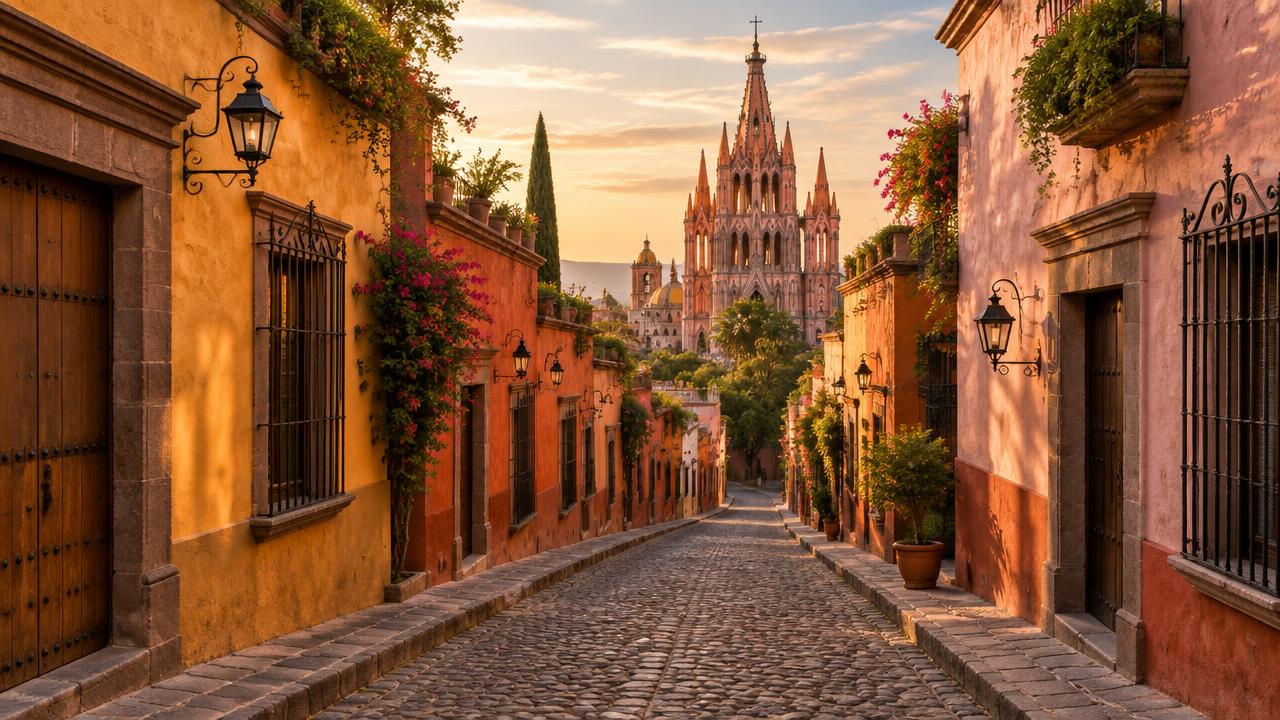
It is a fair reaction. San Miguel sits at 6,400 feet in the central highlands of Mexico, with cool dry mornings, UNESCO-protected colonial architecture, and a daily rhythm that feels closer to a small European city than anything most North American buyers have experienced. The video above walks you through a typical morning, the light, the markets, the church bells, the slow start of the day, so you can get a real, unfiltered feel for what living here actually looks like.
But this article, and the video, are not a sales pitch. They are an honest look. I have watched too many people move to Mexico without seeing the reality with clear eyes, and then regret it. The buyers who genuinely love it here are the ones who showed up understanding the lifestyle, not just the Instagram version of it. So let's be straight about what San Miguel de Allende actually is.
It Is a Genuinely Catholic City, Not Performatively
San Miguel's Catholic identity is not a postcard. It is woven into the structure of daily life. Daily mass is observed in neighborhood churches. Church bells mark every hour, many bells, from many churches, layered on top of each other. Personally, I love the sound of them, but it is something to know going in.
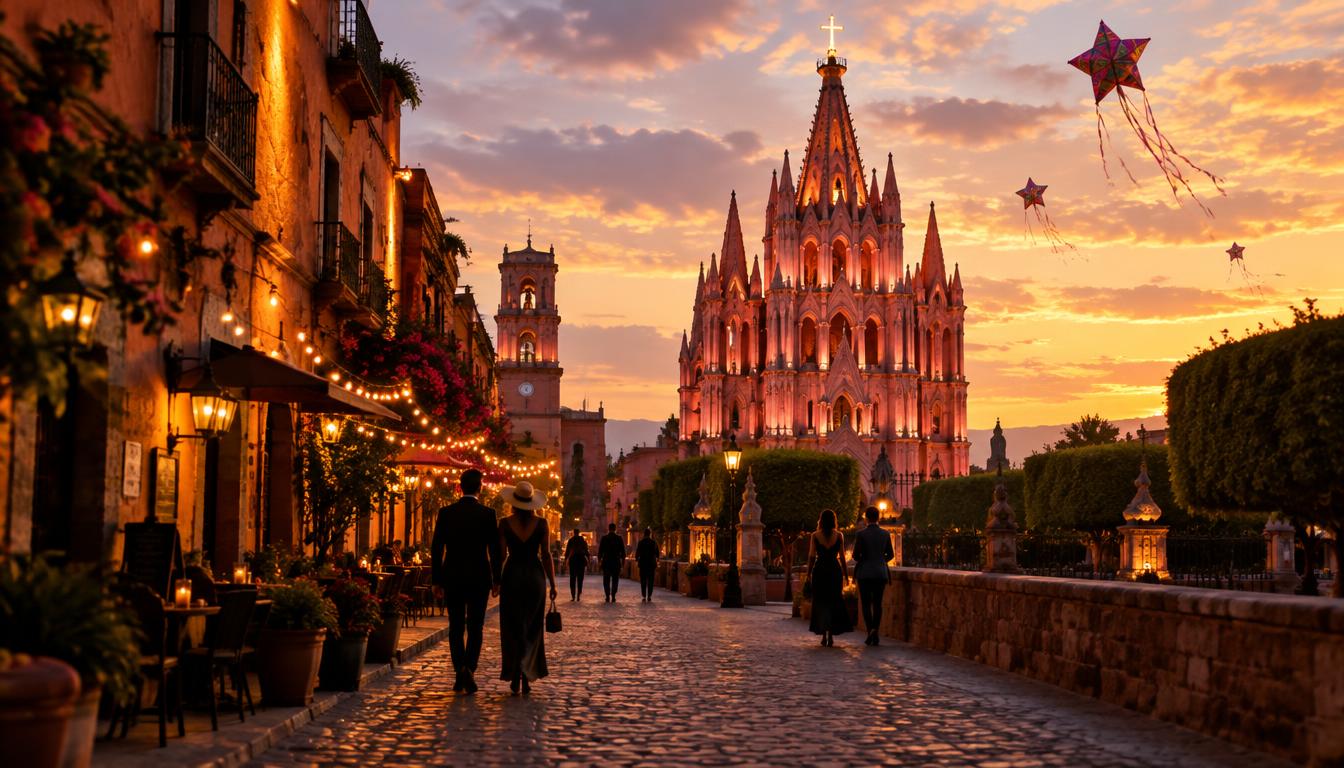
Saint's days, processions, and religious festivals happen frequently throughout the year. Some celebrations begin at 3 AM with fireworks, music, and movement through the streets. This is not a downside, it is part of what makes San Miguel feel alive and culturally rooted in a way most modern cities have lost. But if you are imagining total quiet and isolation, this city will surprise you.
San Miguel Is Not "Cheap" by Mexican Standards
This is one of the most common misconceptions. San Miguel de Allende is one of the more expensive cities in Mexico. Real estate, restaurants, and services here are priced higher than in most other Mexican cities, partly because of the established international community, partly because of the architectural protection, and partly because of how desirable the city has become globally.
That said, for buyers coming from the United States, Canada, or most of Europe, the cost of living is dramatically lower than home. Excellent food, world-class culture, quality healthcare, and beautifully built homes are all genuinely accessible at prices that simply do not exist in major North American or European cities. The right way to think about San Miguel is: "expensive for Mexico, an extraordinary value for North Americans and Europeans."
For a deeper breakdown of actual numbers, housing, utilities, groceries, services, see the Cost of Living guide.
There Is No Major Airport (and None Is Planned)
This catches a lot of buyers off guard. San Miguel de Allende does not have its own commercial airport, and there is no expansion planned. You will fly into either:
• Querétaro (QRO), about 90 minutes by shuttle or private transfer
• Léon / Bajío (BJX), in Guanajuato state, also about 90 minutes
For some buyers, this is real friction. If you are planning to fly back and forth weekly, the layover-plus-shuttle adds up quickly. For other buyers, the lack of a major airport is part of what has kept San Miguel the way it is, protected from the kind of mass tourism that has flattened the character of so many other beautiful destinations.
Either way, plan for it honestly when you are budgeting your time and travel.
The Soundscape Is Real
This is the one I want every prospective buyer to hear clearly: San Miguel is not a quiet city.
Bells. Whistles. Fireworks. Festivals. Cars on cobblestone. Roosters in the morning. Music spilling out of restaurants at night. Multi-day saint's celebrations. The soundscape is rich, layered, and constant, and for most people who choose to live here, it becomes part of the texture they love. But if you are someone who genuinely needs complete silence to function, this is something to evaluate honestly before you buy.
There are quieter neighborhoods on the edges of town where the soundscape softens considerably, but no part of San Miguel feels like a sealed-off suburb. That is by design.
So Who Is San Miguel Actually Right For?
San Miguel tends to be the right fit for buyers who:
• Are drawn to culture, beauty, and texture over convenience and predictability
• Want a walkable, human-scale city with restaurants, art, and community within reach
• Appreciate (or at least accept) a genuinely religious cultural backdrop
• Are willing to plan around the airport situation rather than fight it
• Want a lifestyle that is dramatically more affordable than home without sacrificing quality
It is less of a fit for buyers who want a sealed-off luxury bubble, complete silence, or a city built around the convenience of international flights. That is fine, those preferences are valid. They are just better served somewhere else.
How to Pressure-Test the Fit
The single best thing you can do before buying in San Miguel is spend real time here, ideally across more than one season. Visit during a major festival. Visit during a quiet stretch in the rainy season. Walk Centro early in the morning. Sit on a rooftop at sunset. Talk to people who have lived here for ten years and people who arrived last month.
When you are ready to take the next step seriously, the Buyer's Roadmap walks you through how purchasing actually works, closing costs, timelines, and the Neighborhoods guide breaks down which areas of the city tend to fit which kind of buyer. You can also watch more video tours on the channel to keep building a real, unfiltered picture of life here.
San Miguel de Allende is one of the most extraordinary cities in the world to live in, but only if you arrive with clear eyes about what it actually is. That is the goal of this video, and of this article: to make sure that when you do choose it, you choose it for the right reasons.