By Mike Fanelli
Mexico's New Digital Payments Law: What It Means for Living & Owning in San Miguel
Mexico's Digital Payments Law took effect on November 5, 2026, and cash remains legal for everyday purchases nationwide. Hacienda has 15 business days to name the first sectors where digital payment can become mandatory, with gas stations & highway tolls the stated focus. In San Miguel de Allende, markets, shops & taxis keep taking pesos, and property purchases already move through regulated bank transfers.
Is Mexico eliminating cash under the new Digital Payments Law?
Cash remains legal for everyday purchases across Mexico. The Ley de Economía Digital para Pagos Digitales y Electrónicos was published in the Diario Oficial de la Federación on November 4, 2026, and took effect November 5. It creates a federal framework to promote electronic payments in specific sectors over a gradual timeline, without banning paper currency.
Headlines moved fast that week, and plenty of foreign residents in San Miguel heard the rumor that pesos would stop working overnight. President Claudia Sheinbaum addressed it at her November 9 morning press conference, saying cash will stay available while digital payments are encouraged little by little, according to La Jornada & N+. Paying in a neighborhood store with cash, in her words, remains permanent.
Which sectors are moving to digital payments first?
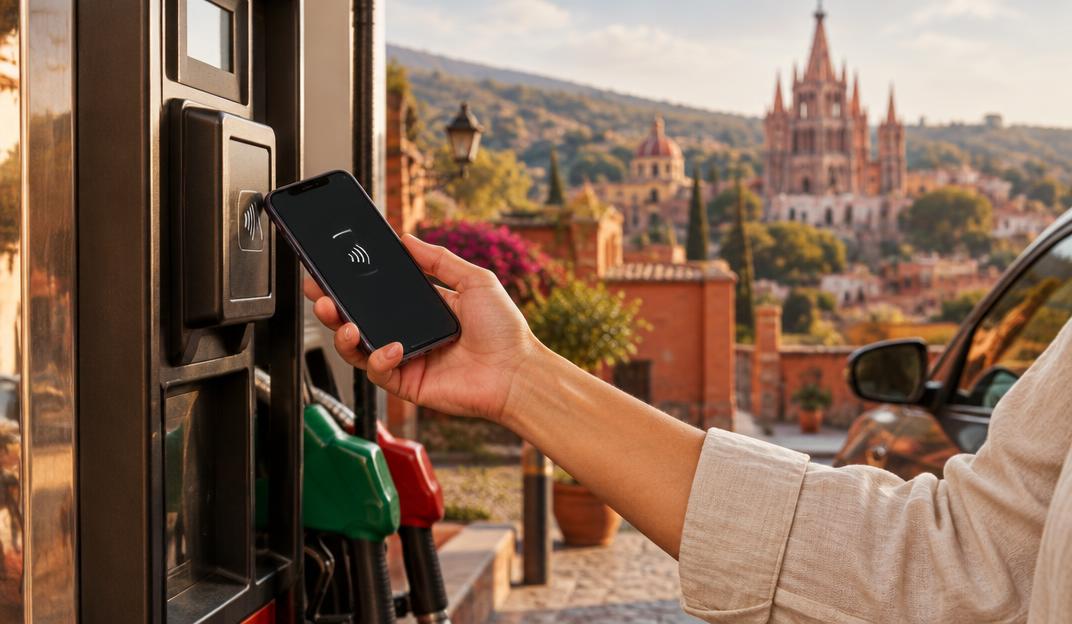
Gas stations & federal highway tolls are the first focus. Article 13 gives Hacienda (SHCP) the power to name strategic sectors where digital payment can become the only accepted method, and a transitional article gives it 15 business days from November 5 to publish that list, as Infobae reported. Sector regulators then issue the detailed rules.
The stated reason for gas stations is fuel theft. Tracing every payment, together with IEPS tax tracking, is meant to shut down huachicol & illegal fuel imports, so the president said the goal there is to eliminate cash completely. For tolls she described a slower shift, informing drivers along the way. The law also allows cash or check during a contingency, such as a system outage, when a business temporarily cannot receive electronic payments, per {a(JOR2,'La Jornada')}.
How will this affect daily life in San Miguel de Allende?
For most of your week, very little changes. The Tuesday Tianguis, Mercado Ignacio Ramírez, neighborhood tiendas, taxis & tips for parking attendants all keep working with pesos, and nothing in the law requires small merchants in Centro or Guadalupe to turn cash away.
The real adjustment happens on the road. If you fill up on the Libramiento or drive Highway 57D toward Querétaro & Mexico City, it is worth having a card that works reliably at the pump and a TAG transponder for tolls before the rules land. Our guide to whether you need a car in San Miguel covers the rest of the driving picture.
Does the new law change how real estate is purchased in Mexico?
No new rule applies to property purchases. Mexican real estate closings already run through a Notario Público & regulated bank transfers under the federal anti-money-laundering law, which has capped cash in property transactions for years. Funds for a San Miguel home move by wire or SPEI, so your path to ownership already relies on digital banking.
In practice, the bigger planning items are the same ones they were last month: a Mexican bank account, documented source of funds & a clear budget for taxes and Notario fees. Our guide to opening a bank account as a foreigner and the breakdown of closing costs in San Miguel walk through both, and The Buyer's Roadmap lays out each step with the Notario.
What should foreign residents & visitors do now?
Keep paying as usual, and add one or two digital options so you are ready when Hacienda names the first sectors. These habits cover almost every situation in Guanajuato:
- Carry a modest supply of peso bills & coins for markets, parking & small shops.
- Get a TAG toll transponder if you drive to Querétaro, León or Mexico City.
- Use SPEI transfers for contractors, utilities & HOA fees.
- Keep a credit card with no foreign transaction fees for restaurants, supermarkets & fuel.
We will update this article when the official sector list is published. If you are weighing a move or a purchase and want the local view, tell us what you are looking for or browse Buyer Resources.
Sources: Diario Oficial de la Federación, Ley de Economía Digital para Pagos Digitales y Electrónicos (Nov. 4, 2026); La Jornada (Nov. 9, 2026); La Jornada, contingency provisions (Nov. 9, 2026); Infobae (Nov. 5, 2026); N+ (Nov. 9, 2026). This article is general information; confirm how any rule applies to you with your bank or Notario.